
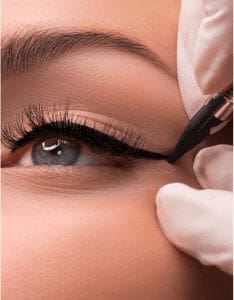
Cosmetic tattooing is an option to give a polished look without having to put on makeup every day, such as microblading, powder brows, ombre brow tattoos, and permanent eyeliner. But with great results and beauty comes more than just an experienced technician. Aftercare is also crucial, especially for the first few weeks.
A very common issue that clients may struggle with is the distinction between ‘dry' healing and ‘wet' healing. There are a couple of different approaches that some technicians suggest you take with your newly tattooed eyebrows: some say you should keep them totally dry; others say to apply a thin layer of special ointment. So, which method is better?
This depends on the cosmetic tattoo technique used, the type of skin, the individual's healing process, and the aftercare that the cosmetic tattoo practitioner provides.
Dry healing vs. Wet Healing
Both methods work to prevent any tattooed skin from being damaged during the healing process. But their approach to moisture management is different.
How Does Dry Healing Work?
Dry healing is when the area being treated isn’t given any ointments or moisturizers during the process.
Once the treatment has finished, you will follow your technician's instructions to clean the area. You should avoid using any unnecessary products. The skin is left to heal on its own and forms small flakes or scabs that flake off over time.
Potential Benefits Include:
- Minimizing the risk of contamination when the use of products is involved
- Preventing excess water around the treated area
- Reducing the irritation caused by inappropriate ointments
- Maintaining a fairly simple aftercare program
But if you don't cleanse or if it gets too dry, it can cause discomfort. Do not assume that dry healing means that clients can disregard hygiene or peel back the skin.
What is Wet Healing?

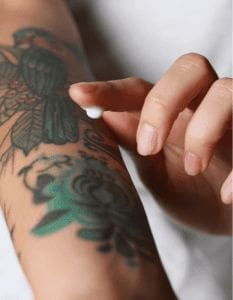
Moist healing is when you keep the treated area slightly moist with an aftercare product your technician recommends. A light layer of a suitable ointment can help reduce over-drying, help protect the skin's natural barrier, and prevent any painful cracks. You want to keep it balanced so it's not too dry or moist.
Potential Benefits Include:
- Lubricating and soothing.
- Strengthening the barrier function of the skin.
- Enhancing comfort during the healing period.
- Helping to prevent excess cracking and irritation.
But over-application can be an issue, especially if the ointment is heavy or inappropriate for use.
The effect of skin type on healing techniques.
The type of skin may impact the healing process of cosmetic tattoos, especially when it comes to aftercare methods such as those that involve minimal products versus moisturized care.
But skin type is not the sole criterion. The procedure, placement of the pigment, condition of the skin, and the instructions of the technician are also important.
- Oily Skin
Everyone who has oily skin naturally has more sebum, and some cosmetic tattoo techniques are bound to be more difficult. For instance, some types of oily skin might have less defined or appear softer on the healed microblading on that skin type. With these clients, too much ointment can be a bad thing, leading to an overly greasy healing environment.
- Dry Skin
During recovery, dry skin is tight, flaky, or uncomfortable. Leaving skin too dry after getting a tattoo can also cause it to feel uncomfortable and could lead to cracking or irritation. Applying an appropriate aftercare ointment, sparingly, can aid the skin in staying comfortable.
Those with dry skin should:
- Only use the recommended aftercare product
- Apply a very thin layer when instructed
- Don't use any creams or skin care products with a strong scent
- Do not remove any flakes or scabs
The goal is to keep the skin at a comfortable moisture level, but not too wet.
Over-Moisturizing Cosmetic Tattoos Can Pose These Risks:
One of the most common errors clients make is overusing ointment, which will not help heal a wound faster.
In fact, too much moisturization can actually make it harder to take proper care of your skin.
Applying thick layers of ointment may:
- Allow the treated area to be unnecessarily oily
- Catch grease, dirt, and other impurities
- Create irritation or sensitivity to some components
- Contribute to clogged pores around the treated area
- Be difficult to keep clean
While over-moisturizing won't lead to a loss of pigment, over-use and misuse of the product and poor care can make it harder to recover. A good guideline is to only apply the amount suggested by the technician. The treated skin should not be so covered or constantly wet. If the redness, swelling, warmth, pain, or discharge worsens, seek medical attention and do not try to fix the issue with products that are being used to moisturize the skin.
Care of Cosmetic Tattoos During the Healing Phase

No matter what type of healing your tech says you need, there are some precautions to take.
Here are some simple steps to take for aftercare:
- Wash hands before touching the treated area: Always wash hands before touching the treated area.
- Clean gently as recommended: Do not use too much rubbing and use the recommended gentle cleanse.
- Do not pick: Let flakes and scabs drop off.
- Restrict water exposure: Do not swim, go to a sauna, or stay in water too long until the skin is healed.
Regardless of whether you go for dry or wet healing, it is important to keep things clean and take care of your skin. Avoid using too much product and follow your professional's guidance. Allow your skin to heal, and if you notice any signs of infection, then consult a medical professional.
FAQ
- What is the difference between dry healing and wet healing?
Dry healing refers to not regularly applying ointment to the skin whilst it heals. Whereas wet healing means applying a small amount of aftercare approved by your technician.
- Which healing method is better for oily or dry skin?
Some may find they do not require as much looking after, depending on your skin type. If you have an oily skin type, you may not have to look after it as much as someone with a dry skin type, who would need to be extra careful with moisturizing. Your cosmetic tattoo style, skin type, and your technician's recommendations will all affect how much you will need to look after your tattoo.
- How long will it take for cosmetic tattoos to heal completely?
Cosmetic tattoos heal in approx. 4-6 weeks. You may experience some peeling in the first few weeks (1-2 weeks). The healing time will depend on the process, skin type, and aftercare used.