

A practical guide to planning your next tattoo, protecting fresh ink in warmer weather, and keeping your artwork looking its best throughout the Australian summer.
Something happens when the weather warms up across Australia. Sleeves come off, beach days come back, and suddenly everyone's thinking about their next piece of ink. Whether you're planning your first tattoo, adding to an existing collection, or beginning a full sleeve, spring and summer are a great time to explore your ideas and book a consultation.
That said, warmer weather does bring a few challenges for freshly tattooed skin. Strong UV radiation, swimming, sweating, and outdoor activities can make tattoo aftercare more demanding. A new tattoo needs time to heal, and how you look after it in those first few weeks really does show in the final result.
The good news? With a bit of planning and consistent aftercare, you can get tattooed at any time of year and still love the result.
In this guide, we'll walk you through how to plan your next tattoo around the Australian spring and summer, protect your skin while it heals, choose suitable placements, and prepare for your appointment at Celebrity Ink™.
Why Tattoo Aftercare Matters During Spring and Summer?
Let's be honest about what a new tattoo is: a controlled skin injury. Your body needs time to repair the area, and the skin can remain sensitive even after the initial redness and flaking have disappeared.
During Australia's warmer months, a few everyday things deserve extra attention: sun, swimming and sweat.
- Sun exposure: Australia's UV levels can be high, particularly during spring and summer. Direct sunlight can irritate healing skin, while UV exposure can contribute to tattoo fading over time. ARPANSA recommends sun protection when the UV Index reaches 3 or above. A fresh tattoo should be protected from direct sunlight while healing.
- Swimming: Beaches, pools and holidays are what an Aussie summer is all about, but soaking a fresh tattoo can interfere with healing and increase the risk of complications. Avoid swimming until the tattoo has completely healed.
- Sweating and friction: Exercise, humid weather and tight clothing can irritate a healing tattoo. Sweat itself does not automatically cause an infection, but keeping the area clean, dry, and free from unnecessary friction is important.
The point isn't to avoid tattooing when it's warm. It's to understand what your skin needs and plan around it.
The Australian Sun: Protecting Your Tattoo from UV Exposure

Australia has some of the highest UV levels in the world. That matters for fresh tattoos, and for healed artwork you want to keep looking sharp.
According to the Australian Radiation Protection and Nuclear Safety Agency (ARPANSA), sun protection is recommended whenever the UV Index reaches 3 or above. You can check the daily forecast using the ARPANSA UV information.
How does sunlight affect a new tattoo?
Freshly tattooed skin is sensitive and needs time to recover. Direct sunlight adds irritation, and a sunburn on top of a healing tattoo is the last thing you want.
Avoid deliberately exposing a fresh tattoo to the sun. Keep it covered with clean, loose clothing when appropriate, and follow your tattoo artist's aftercare instructions.
Do not apply sunscreen directly to broken or unhealed tattooed skin. Once the tattoo has healed completely, use broad-spectrum SPF 50+ sunscreen when the tattoo will be exposed to the sun.
Does UV exposure vary across Australia?
Yes. UV levels depend on your location, the time of year, cloud cover and other environmental conditions.
Whether you're in Melbourne, Sydney, Perth, Brisbane, Adelaide or the Gold Coast, check local UV forecasts instead of relying on temperature alone. A cool or cloudy day doesn't mean the UV is low. Plenty of people learn that the hard way.
For a healed tattoo, make sun protection part of your routine whenever UV levels call for it. This helps protect your skin and supports the long-term appearance of your artwork.
Swimming, Beaches and Summer Holidays

Got a beach holiday or poolside weekend coming up? Think about your tattoo appointment before you lock in your travel plans.
A fresh tattoo should not be submerged in swimming pools, the ocean, spas, or hot tubs until it has completely healed. Your artist can advise you on aftercare, but don't assume it's ready for a swim just because the surface looks better.
Why should you avoid swimming with a new tattoo?
Swimming can expose healing skin to bacteria and other irritants. Prolonged soaking can also soften scabs and interfere with the healing process.
During the first few weeks, plan around activities such as:
- Beach holidays and ocean swimming.
- Swimming pools and water parks.
- Hot tubs, spas and saunas.
- Long baths and other activities that keep the tattoo submerged.
If a holiday is coming up, have a chat with your tattoo artist about timing before you book your session. You may prefer to get tattooed after your trip or leave enough time for the tattoo to heal fully beforehand.
There is no single recovery timeline that suits every tattoo. Size, placement, skin response, and aftercare can all affect healing.
Sweat, Heat and Clothing: Keeping Healing Skin Comfortable
Warm weather can make aftercare a little trickier, especially if you train regularly or spend long days outdoors.
Sweat, rubbing and tight clothing may irritate healing skin. The fix is simple: keep the tattoo clean, follow your artist's cleansing instructions, and avoid unnecessary friction.
Choose comfortable clothing
During the healing period, choose clean, loose-fitting and breathable clothing over the tattooed area.
For example:
- Forearm tattoos: Avoid tight sleeves and materials that rub repeatedly against the skin.
- Calf and ankle tattoos: Choose comfortable footwear and socks that do not rub the area.
- Shoulder and upper-back tattoos: Be mindful of backpack straps, sports equipment, and tight tops.
- Thigh tattoos: Avoid restrictive clothing that presses against the fresh tattoo.
If you exercise, ask your artist when it is appropriate to return to your usual training routine. Avoid activities that cause excessive rubbing, contaminate the area, or place unnecessary stress on healing skin.
If you become sweaty, follow your artist's cleaning instructions rather than scrubbing the tattoo or repeatedly applying products.
Understanding the Tattoo Healing Process
Tattoo healing happens in stages. The surface might look great after a few weeks, but the deeper layers of skin are often still catching up.
Your tattoo's healing time depends on factors such as its size, placement, detail, and your individual skin response.
|
Stage |
What you may notice |
How to care for it |
| Days 1–3 | Redness, tenderness, mild swelling or fluid | Clean gently and follow your artist's dressing instructions |
| Days 4–14 | Itching, flaking and light scabbing | Do not pick or scratch; moisturise as directed |
| Weeks 2–4 | The surface may look calmer, although some areas can still be healing | Continue aftercare and avoid direct sun and swimming |
| Following weeks and months | Deeper skin recovery continues | Follow your artist's advice and protect healed skin from UV |
These stages are a general guide, not a guaranteed schedule. Larger tattoos and pieces covering several body areas may need more time to recover.
Planning a tattoo around summer
Want your new tattoo ready for a particular event or holiday? Give it plenty of time to heal. Do not assume that a tattoo completed a few weeks before a beach trip will be ready for swimming or extended sun exposure.
A practical approach is to:
- Choose your design and placement well ahead of the event.
- Book a consultation to discuss the project's size and expected session schedule.
- Ask your artist how much recovery time to allow.
- Schedule your appointment around swimming, travel, and other outdoor activities.
- Follow your aftercare instructions until the tattoo has fully healed.
The aim is simple: enjoy your new artwork without rushing the recovery.
Planning Large Tattoos and Multi-Session Projects
Large tattoos, including sleeves, back pieces, and detailed custom designs, often require multiple appointments. Each session creates a new healing period, so scheduling deserves extra attention during spring and summer.
Rather than trying to squeeze everything in before a holiday, work with your artist on a timeline that's actually realistic.
A sample half-sleeve project might look like this:
|
Stage |
Activity |
| Initial consultation | Discuss the design, placement, size, and budget |
| Design preparation | Review references and agree on the artwork |
| First session | Begin the tattoo according to the agreed plan |
| Recovery period | Follow aftercare instructions before the next session |
| Follow-up sessions | Complete shading, detail, and finishing work as planned |
| Final review | Discuss healing and any recommended touch-up |
The actual number of sessions and the time between them will depend on the design and your artist's recommendations.
If you have swimming holidays, festivals, or major outdoor events planned, mention them during your consultation. Your artist can help you plan a more suitable schedule.
Common Tattoo Aftercare Mistakes to Avoid
Good aftercare matters in every season, but warm weather makes some mistakes surprisingly easy to make.
- Exposing a fresh tattoo to direct sunlight
Avoid deliberate sun exposure while the tattoo heals. Cover the area with clean clothing when practical and follow your artist's instructions.
- Swimming before the tattoo has healed
A tattoo that looks dry on the surface may still be healing. Wait until it has completely healed before swimming or soaking it.
- Wearing tight or dirty clothing
Clothing that rubs against the tattoo can irritate. Choose clean, comfortable fabrics and avoid unnecessary pressure on the area.
- Applying too much aftercare product
More cream doesn't mean better healing. It's a common mistake. Use the product recommended by your artist in the amount and frequency advised.
- Picking flakes or scabs
We know it's tempting, but let the skin recover naturally. Picking or scratching can irritate the area and interfere with the healing process.
- Ignoring possible signs of infection
Some redness, tenderness, and swelling can occur after tattooing. However, worsening pain, spreading redness, increasing swelling, pus, or fever may indicate a problem. Seek medical advice promptly if these symptoms occur.
Best Tattoo Placements to Consider Before Summer
The right placement depends on your design, lifestyle, comfort, and the amount of time you can dedicate to aftercare.
Here are some popular options worth chatting about with your artist.
- Forearms: Suitable for designs that can be displayed easily, from fine-line pieces to detailed artwork. Consider how frequently the area will be exposed to sunlight.
- Upper arms and shoulders: Offer space for standalone tattoos or larger projects that may later become part of a sleeve.
- Calves: Can accommodate a range of designs, although footwear, clothing, and outdoor activities should be considered during healing.
- Upper back: Provides a larger canvas for detailed designs. Think about clothing and backpack straps while the area heals.
- Thighs: Offer space for larger compositions and can be easier to cover with loose clothing.
There is no universally best placement for summer. Choose one that suits the artwork and allows you to follow aftercare instructions comfortably.
If you're concerned about pain, ask your artist about the placement you have in mind and read our guide to the least painful places to get a tattoo.
How to Prepare for Your Next Tattoo Appointment
A little preparation goes a long way. It makes your appointment more comfortable and helps you plan the recovery period.
Step 1: Explore design ideas
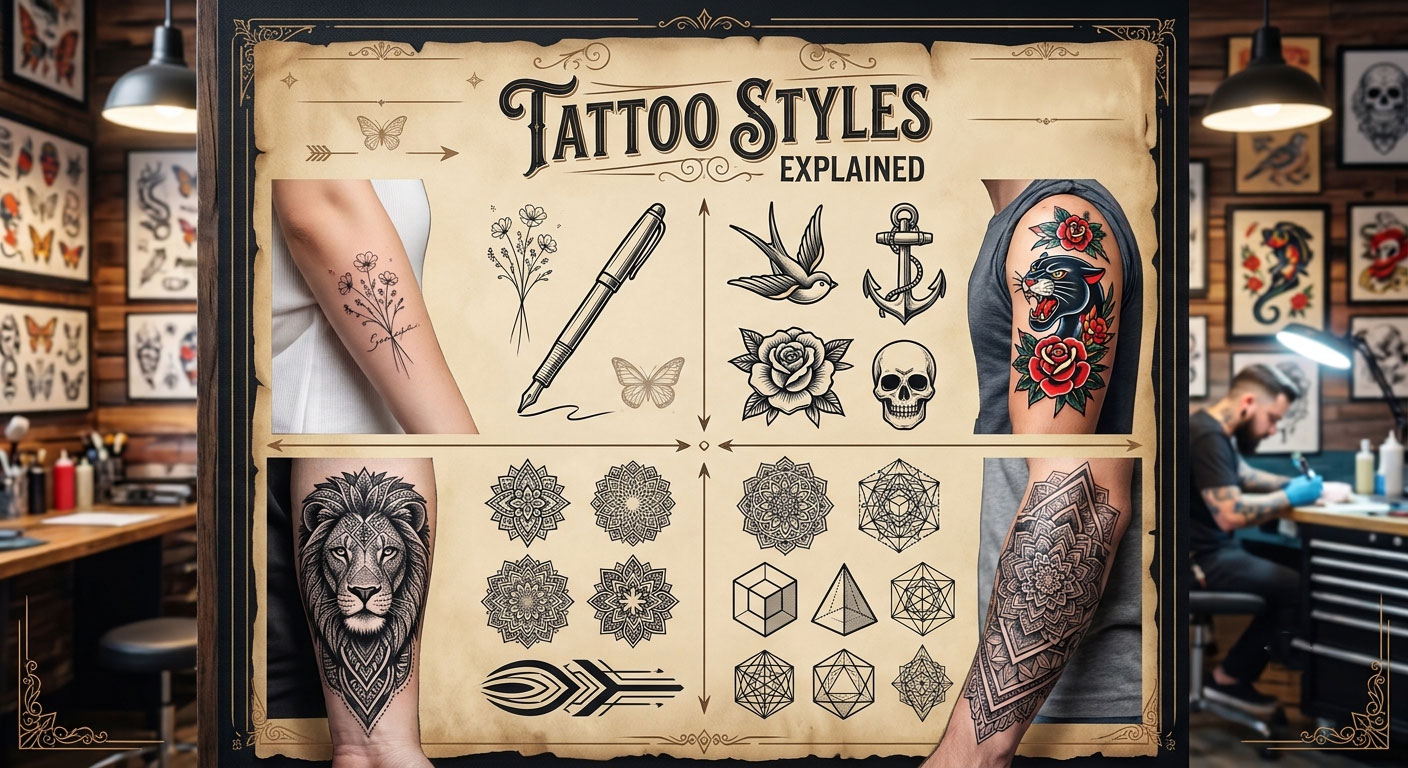
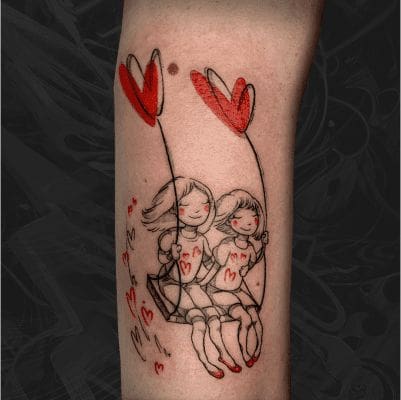
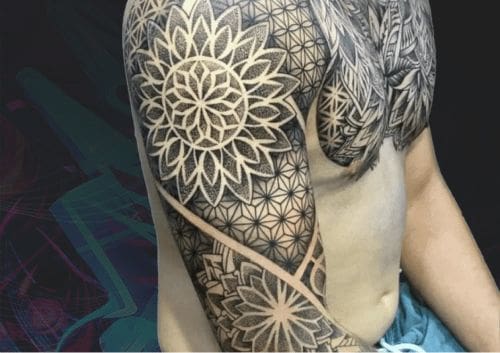
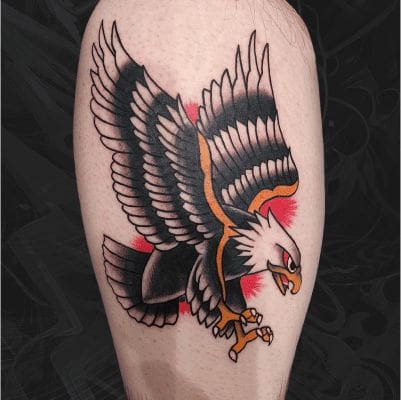
Collect references, consider different tattoo styles, and decide what you want your artwork to represent. Look through the Celebrity Ink™ gallery for inspiration and examples of different approaches.
Step 2: Book a consultation
Discuss your design, size, placement, budget, and expected session schedule with your artist. Mention any upcoming holidays, swimming plans, or sporting commitments.
Step 3: Prepare for the appointment
Follow your studio's preparation instructions. Get a good night's sleep, eat a proper meal beforehand and stay hydrated. If you feel unwell, contact the studio to discuss rescheduling.
Step 4: Plan your aftercare
Make sure you understand how to clean and moisturise the tattoo, what clothing to wear and which activities to avoid while healing.
Step 5: Allow enough recovery time
Avoid scheduling your tattoo immediately before a beach holiday or event that involves swimming, prolonged sun exposure, or strenuous activity.
Step 6: Protect your healed tattoo
Once the tattoo has healed completely, use broad-spectrum SPF 50+ sunscreen when sun protection is required. Consistent care can help preserve the appearance of your artwork over time.
At Celebrity Ink™, consultations are an opportunity to discuss your design and the best way to approach your tattoo project.
Where to Find a Celebrity Ink™ Studio in Australia
Ready to explore your next tattoo? Celebrity Ink™ has studios right across Australia, so there's likely one closer than you think.
Depending on your location, you can explore studios in:
- Canberra: Belconnen
- Melbourne: Highpoint and Fountain Gate, Narre Warren
- Adelaide: Tea Tree Plaza
- Perth: Carousel, Cannington
- Brisbane: Chermside, Hyperdome and North Lakes
- Gold Coast: Broadbeach, Coolangatta, Coomera and Surfers Paradise
Visit the Celebrity Ink™ locations page to find your nearest studio and explore your booking options.
Studio locations and availability may change, so check the locations page for the latest details.
Frequently Asked Questions
- Is spring or summer a good time to get a tattoo in Australia?
Yes. You can get a tattoo at any time of year, provided you can follow the aftercare requirements. During spring and summer, pay particular attention to UV exposure, swimming, sweating, and outdoor activities.
- Does a tattoo heal faster in a particular season?
There is no guarantee that a tattoo will heal faster in one season than another. Healing depends on the tattoo, your skin, your general health, and how well you follow aftercare instructions.
- Can I go to the beach after getting a tattoo?
You can visit the beach, but you should keep a fresh tattoo out of direct sunlight and avoid swimming or soaking it until it has completely healed. Discuss your plans with your tattoo artist before your appointment.
- Can I swim in a pool with a new tattoo?
No. Avoid swimming pools, the ocean, hot tubs, and other forms of soaking until the tattoo has fully healed. Follow your artist's instructions if your recovery takes longer than expected.
- Should I put sunscreen on a fresh tattoo?
Do not apply sunscreen directly to broken or healing tattooed skin. Protect the area from direct sunlight using appropriate clothing and follow your artist's aftercare guidance. Once fully healed, use broad-spectrum SPF 50+ sunscreen when exposed to the sun.
- Is it safe to exercise after getting a tattoo?
It depends on the tattoo's placement, size, and your planned activity. Sweat, friction, and stretching can irritate healing skin. Ask your artist when you can resume your usual workouts and avoid activities that interfere with recovery.
- How long does a tattoo take to heal?
The surface can take several weeks to recover, while deeper healing may continue for longer. The timeline varies according to the tattoo's size, placement, and individual healing response.
- Can I get a large tattoo before a summer holiday?
You can plan a large tattoo project before a holiday, but allow sufficient time for healing. If the trip involves swimming or extended sun exposure, discuss the timing with your artist before booking.
- What should I wear over a fresh tattoo in warm weather?
Choose clean, loose-fitting, and breathable clothing that does not rub against the tattoo. Avoid tight garments and materials that stick to or irritate the healing area.
- How can I keep my tattoo looking vibrant over time?
Follow your artist's aftercare instructions, allow the tattoo to heal fully, and protect the healed skin from excessive UV exposure. Regular moisturising may help keep the skin comfortable, while sun protection helps reduce UV-related fading.
Final Thoughts: Plan Your Tattoo With Confidence
Spring and summer bring plenty of inspiration for new designs, but they also make aftercare more important than ever. With Australia's strong UV exposure, busy beach season, and warmer weather, planning can help you avoid unnecessary complications during healing.
Whether you're considering a small fine-line design, a meaningful custom piece or a multi-session sleeve, take the time to choose the right artist, understand your aftercare and book your appointment around the way you actually live.
Ready to start planning your next tattoo?
Explore the Celebrity Ink™ locations page, find your nearest studio, and book a consultation to discuss your ideas with an artist.
Your next masterpiece starts with a great design and a well-planned healing process.